About UsVACANCIESSERVICESFeesCare TeamFAQsArticles
Book Now

Skin Checks

As we spend more time in the sun during the warmer months, it is important to be aware of your risks for developing skin cancer and how to prevent it.

Of no surprise, Australia has one of the highest rates of skin cancer in the world. Us Australians are blessed with beautiful weather and a beautiful country to enjoy it. However, too much exposure to UV radiation in sunlight is what causes the majority of skin cancers.

More than 2,000 people in Australia die from skin cancer each year, and 2 in 3 Australians are diagnosed with skin cancer by the age of 70. Although your risk of skin cancer is lower if you have darker skin, there is still a risk with all skin types.

Getting to know your skin to notice any changes as well as booking in for regular skin checks with your practitioner are the keys to reducing your skin cancer risk. The earlier it is diagnosed, the better the chances are for eliminating it entirely or managing it without complications.


What is a skin check?

A skin check can be performed by yourself, with or without the help of a loved one, or by a doctor.

If at home, ensure you undress fully in front of a full length mirror and are in full light as you check all parts of your body, even those not normally exposed to the sun such as the soles of your feet. Using a hand-held mirror can assist you for those tough to see spots.

  • Face and scalp
  • Neck and shoulders
  • Front and back of your arms, including armpits
  • Front and back of hands, between your fingers and under the fingernails
  • Legs
  • Between toes and on soles of feet

What to look for:

  • New moles
  • Moles that increase in size
  • Irregular outline of a mole
  • A spot that changes colour
  • Moles that itch or tingle
  • Moles that bleed

If you are even slightly worried about a spot on your skin, book in to see a practitioner. You should have a professional skin check once a year. Found early, skin cancer is highly treatable.

‍

More Articles

View all articles
Events
July 29, 2025

2025 Flu Vaccinations Have Arrived!

We are entering flu season and it's especially important this year to protect yourself and loved ones with an annual flu vaccine.

Events
July 29, 2025

MyMedicare at Next Practice Sydney

MyMedicare is a new voluntary patient registration model. It aims to strengthen the relationship between patients, their general practice, general practitioner and primary care teams. You can formally register with us as your usual general practice or register with your preferred doctor.

Events
July 29, 2025

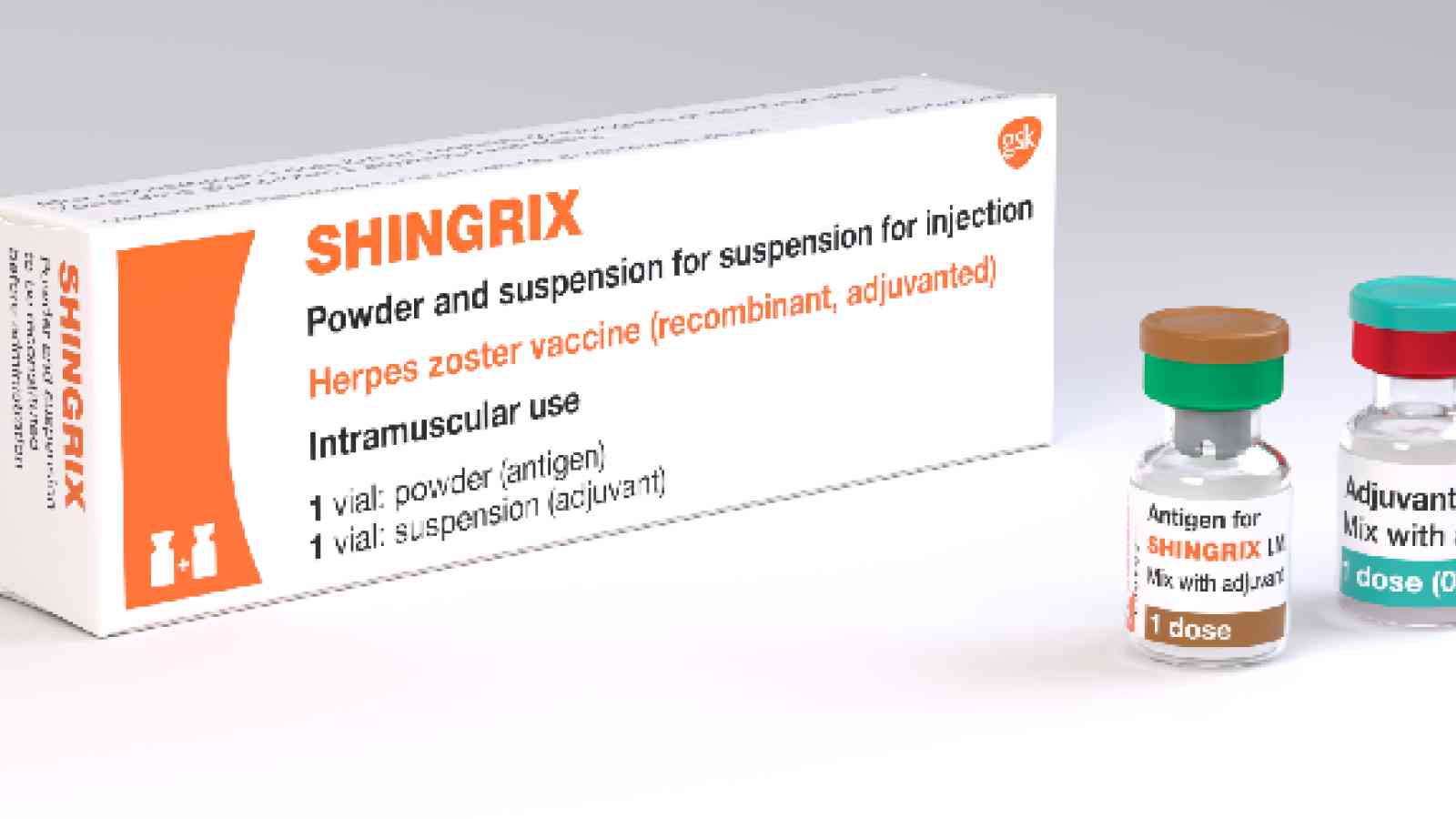
You may be eligible for a FREE Shingles Vaccine

Shingles (also called herpes zoster) is the disease caused when the chickenpox virus re-activates. Singles can cause severe pain that can last for months. Vaccination is a safe and effective way to protect yourself from shingles.

Events
July 29, 2025

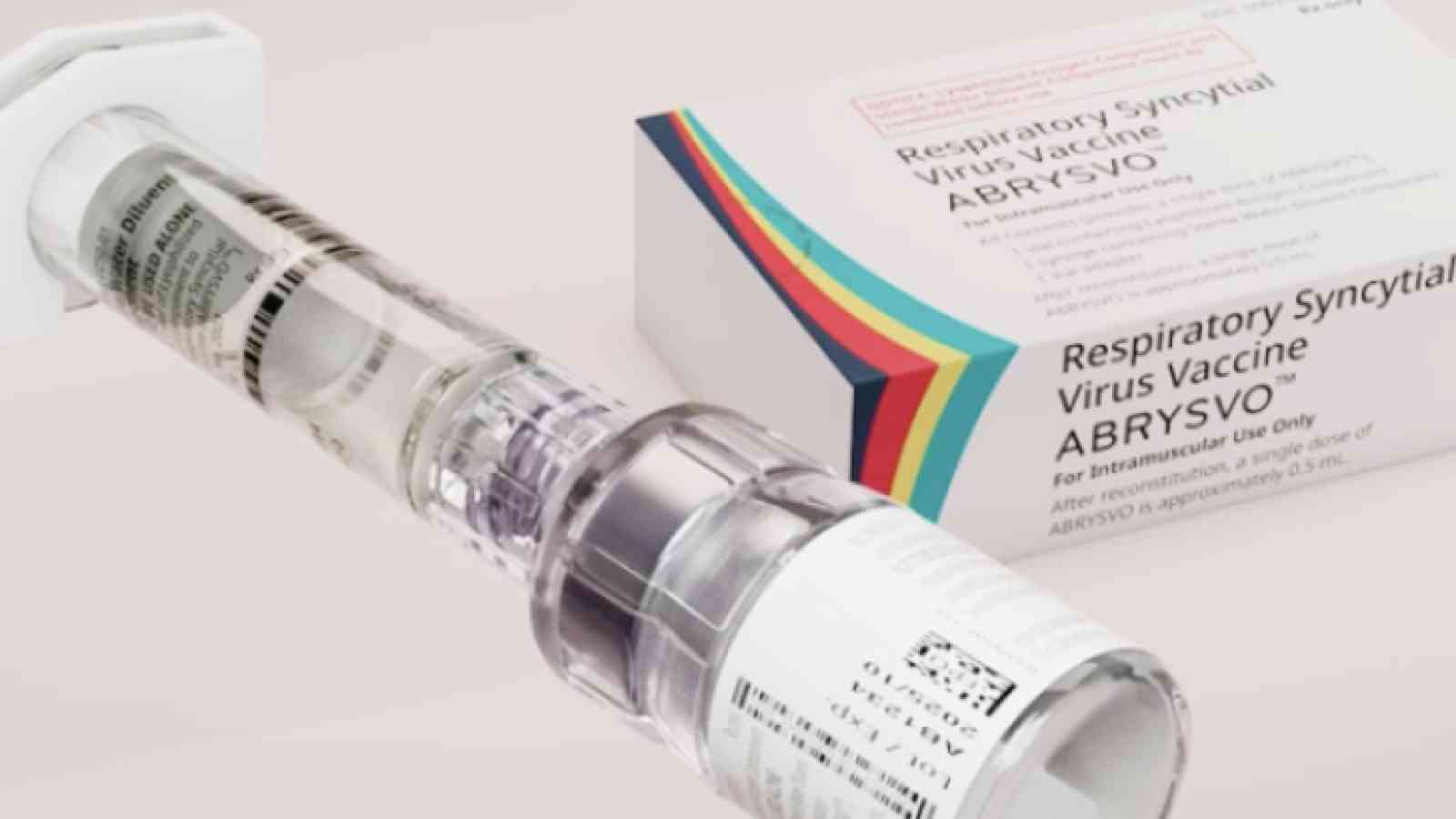
Free RSV Vaccines for Pregnant Women

The Department of Health now recommends a single dose of Abrysvo (RSV Vaccine) which is FREE for pregnant women between 28-36 weeks gestation.

Events
July 29, 2025

April Public 2025 Holidays

Our opening hours for the upcoming April 2025 Public Holidays

Events
July 29, 2025

Nutrition Services

Nutrition services with Nat at Next Practice Sydney

Events
July 29, 2025

Heart Health

Did you know that Heart disease affects 2 in 3 Australians and still remains our leading cause of death, according to Heart Research Australia?

Events
July 29, 2025

Carbs Versus Fat

In the ongoing debate over carbs versus fat, it’s easy to get lost in the details. But when it comes to your diet, the real focus should be on protein content and calories.

Events
July 29, 2025

Introducing Dr Andrew Sefton (Orthopaedic Surgeon)

To make an appointment with Dr Andrew Sefton, please call 02 9052 1894 or email: reception@advancedsurgicalorthopaedics.com.au

Events
July 29, 2025

Introducing Dr Ati Jhajj

Are you or someone you know struggling with complex chronic conditions? Meet Dr. Ati, a seasoned GP with nearly a decade of experience in tackling the most intricate medical challenges.

© Next Practice 2026
Privacy PolicyWebsite DisclaimerConsent and T&Cs
FacebookInstagramLinkedIn